
Furniture tells the story of a home. The sofa where the family gathers, the dining table bought for a first apartment, the wardrobe that has followed you through three moves — these are not just objects, they are the pieces that make a house feel like yours. Which is exactly why watching one of them arrive at a new home scratched, dented, or water-stained stings far more than it should for a piece of wood or fabric.
Most of that damage is entirely preventable. It happens not because furniture is fragile but because it was moved unprotected, its bare surfaces left to grind against walls, ramps, and each other. Protecting furniture properly is a learnable craft, built on a few materials and a clear understanding of how different surfaces fail. This guide covers how to shield your furniture so it arrives looking exactly as it did when it left.
Understanding How Furniture Gets Damaged in a Move
Furniture suffers in predictable ways, and knowing them tells you what to guard against. Hard surfaces scratch and dent when they knock against each other or against door frames. Upholstery snags, tears, and picks up dirt from unprotected contact with floors and truck beds. Wood absorbs moisture and can warp or stain if it travels damp or sits against something wet.
The through-line is contact and exposure. Almost every form of furniture damage comes from a surface touching something it should not, or being left open to moisture and grit. Once you see protection as simply preventing unwanted contact, the right technique for each material becomes obvious rather than mysterious.
The Materials That Do the Protecting
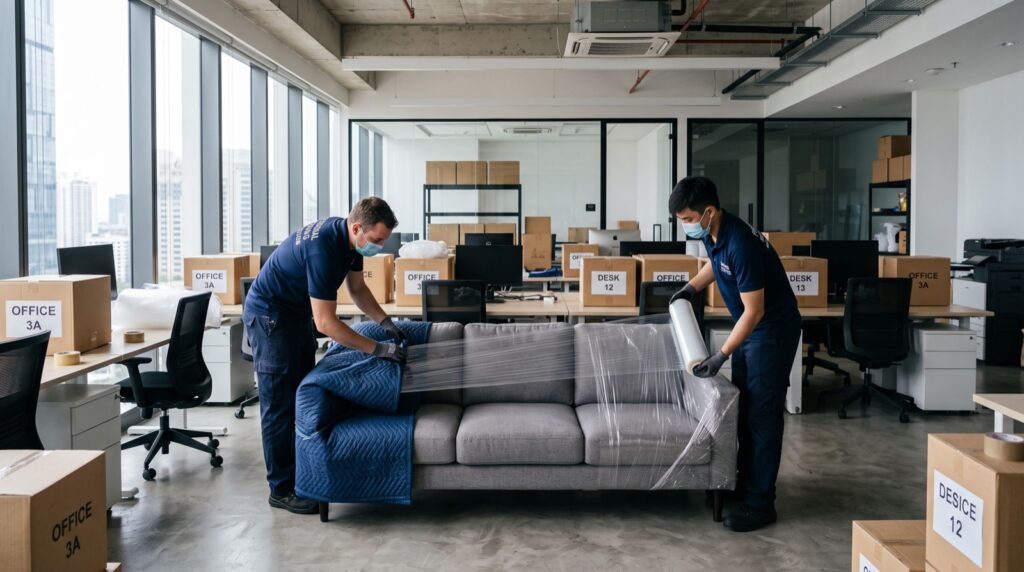
A small kit handles most furniture. Moving blankets are the workhorses, cushioning hard surfaces and softening every knock; stretch film binds those blankets in place and shields upholstery from dust without leaving residue on fabric. Bubble wrap protects glass and delicate detailing, and foam corner protectors guard the edges that take the worst of every impact.
Buying enough of the right materials is cheaper than replacing a damaged piece, and it need not break the bank. Even sourcing supplies through cheap packers and movers Dubai keeps the protection budget modest while ensuring you are not wrapping a beloved cabinet in a single thin sheet and hoping for the best. Adequate materials are the foundation everything else rests on.
Protecting Wooden Furniture
Wood needs shielding from three things: scratches, dents, and moisture. Never apply tape directly to a wooden surface, as it lifts finish and leaves marks when removed. Instead, wrap the piece in a moving blanket first, then secure the blanket with stretch film, which grips itself rather than the wood.
Pay particular attention to legs, corners, and any carved or protruding detail, since these catch on everything and break first. Extra padding here, held with film, prevents the chips that permanently mark good furniture. For solid wood especially, keeping the piece dry matters, so avoid leaving it against damp surfaces or exposed during loading in humid conditions.
Caring for Upholstery and Soft Furnishings
Fabric furniture faces different threats: dirt, snags, and tears rather than dents. The first defence is a full covering — stretch film or fitted furniture covers keep dust, grime, and grease off the fabric during handling and transit. For valuable or light-coloured upholstery, a layer of moving blanket beneath the film adds cushioning and guards against snags.
Remove and pack cushions separately so they do not get crushed or dragged, and keep upholstered pieces off the ground and away from anything that could stain them. Fabric is unforgiving of a single greasy handprint or a snag on a rough edge, so the goal is to make sure it never touches an unprotected surface from the moment it leaves the room.
Handling Glass, Mirrors, and Delicate Details
Furniture that incorporates glass — display cabinets, glass-topped tables, mirrored wardrobes — needs its own attention. Where glass can be removed, take it out and pack it flat between cardboard, wrapped and clearly marked as fragile. Where it cannot, tape a cross over the pane to hold it should it crack, then wrap the whole section in bubble wrap and blanket.
Delicate detailing like decorative handles, thin shelving, and ornate trim deserves individual wrapping too. These small features are easy to overlook and quick to snap. Because they are fiddly and high-risk, many people hand glass-heavy or intricate pieces to furniture moving Dubai specialists rather than gamble on their own wrapping holding up over a bumpy journey.
Loading and Positioning for Safe Transit
Even perfectly wrapped furniture can be damaged by careless loading. Heavy, sturdy pieces go in first and low, forming a stable base, with lighter and more delicate items placed on top rather than beneath. Nothing hard should rest directly against upholstery, and everything should be secured so it cannot shift as the truck moves.
Use the truck’s tie points to strap large items in place, and fill gaps with soft goods so pieces cannot slide into one another. This is where practised handling shows its worth, and dependable specialists load a vehicle so that the whole cargo travels as one solid, immobile block. A well-packed truck protects furniture as much as the wrapping does.
Key Takeaways
- Most furniture damage comes from unwanted contact and moisture exposure.
- Keep moving blankets, stretch film, bubble wrap, and corner protectors on hand.
- Never tape wood directly — wrap in a blanket first, then secure with film.
- Cover upholstery fully and pack cushions separately to avoid snags and stains.
- Remove glass where possible and wrap delicate details individually.
- Load heavy items low, strap everything down, and fill gaps so nothing shifts.
Furniture That Outlasts the Move
The furniture you care about can travel through many moves and still look its best, but only if it is protected with intent each time. Understanding how each material fails, wrapping it accordingly, and loading the truck with care together ensure that the pieces holding your memories arrive uncracked, unstained, and unscratched. It takes a little more time and a modest amount of material, yet the payoff is a home that reassembles exactly as you remember it — every treasured piece intact, ready to anchor the next chapter of your life.