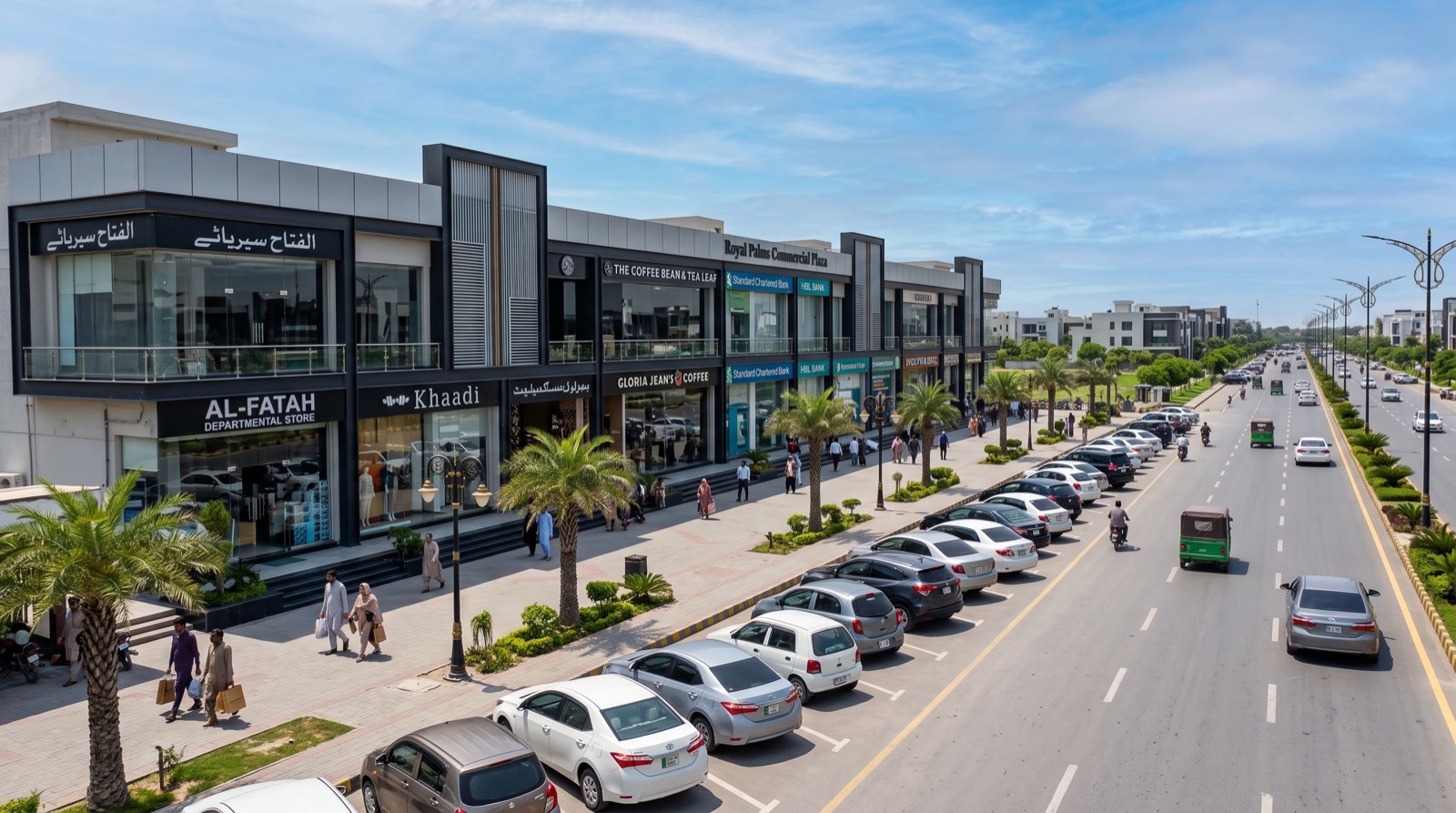
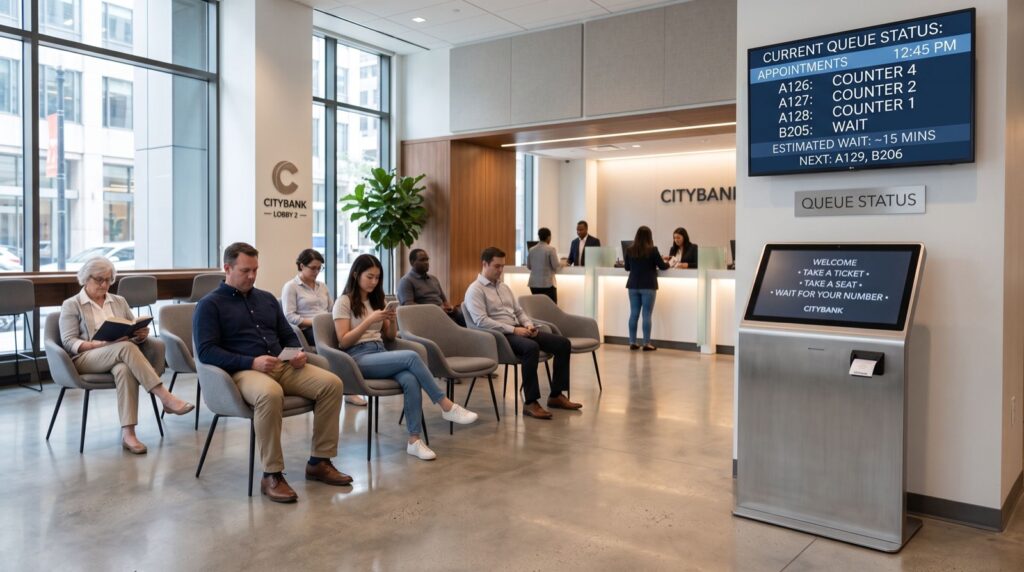
A modern drive-thru system in Pakistan can be the difference between a queue that flows and one that spills onto the road. For quick-service restaurant operators, the outdoor lane is where the most profitable customers are served, and where poor audio quietly bleeds sales every hour. As drive-through culture expands across Pakistani cities in 2026, getting the communication technology right has moved from a nice-to-have to a competitive necessity. This guide breaks down what actually cuts wait times.
Why the drive-thru is your most profitable lane
Drive-through customers are high-intent and time-sensitive. They came for speed, and every second added to the average order time compounds across hundreds of daily cars. A lane that stalls sends drivers to the competitor down the road.
The economics are stark. Industry data consistently shows that shaving even a few seconds off order-to-window time lifts throughput measurably during peak periods. That is pure incremental revenue on infrastructure you already own.
Yet the weak link is usually audio. A crackly speaker post forces staff to ask “sorry, can you repeat that?” over and over, and each repeat stretches the queue. Fixing audio first is the highest-return upgrade most operators can make.
What a complete drive-thru communication system includes
A proper setup is more than a speaker and a microphone. The components work together to keep the lane moving.
- Weatherproof order-point speaker and mic tuned for outdoor noise and heat.
- Wireless headsets so staff hear and respond hands-free while working.
- A base station that manages channels and prioritises the active order.
- Vehicle-detection loops that alert staff the instant a car arrives.
- Noise-cancelling processing to strip engine and traffic sound from the line.
For operators building or upgrading a lane, a purpose-built Drive Thru System in pakistan bundles these components with local installation and support, which matters when a speaker post fails during Friday-night rush and you need help fast.
How do you cut drive-thru wait times in practice?
Technology sets the ceiling, but process determines the result. Combine the two with a deliberate plan.
- Upgrade audio first so orders are captured correctly the first time.
- Add vehicle detection to eliminate the awkward greeting delay.
- Position a dedicated order-taker during peak hours to parallelise steps.
- Use dual lanes or tandem points where site layout allows.
- Measure order-to-window time weekly and coach against the trend.
A field-proven tip: place a spare charged headset battery at the base station. Headsets die mid-shift, and a thirty-second swap keeps the lane live instead of dropping a station during your busiest window.
Comparing drive-thru system tiers
Sites differ, and so should the kit. The table below maps common configurations to restaurant types.
| Configuration | Best for | Key components | Lanes |
|---|---|---|---|
| Single-lane basic | Small outlets | Speaker, one headset, base | 1 |
| Single-lane pro | Busy urban sites | Multi-headset, vehicle loop | 1 |
| Dual-lane | High-volume chains | Dual points, channel priority | 2 |
| Tandem | Flagship stores | Multiple order points, timers | 1-2 |
Serving both Pakistan and the wider Gulf market
Chains operating across borders benefit from standardising their lane technology. A brand running outlets in Lahore and Riyadh gains consistency by pairing its local kit with proven Drive-thru Systems in Saudi Arabia, so staff training, spare parts and support processes stay identical across regions.
That consistency is easier to achieve with an integrator who understands both markets. For an independent view of how order-timing benchmarks are measured, industry research from QSR Magazine’s drive-thru studies is a useful yardstick against which to judge your own lane. Operators who prefer to hand off sourcing and install often partner with trusted professionals who handle the full deployment from survey to go-live.
Maintenance keeps the gains
A drive-thru system degrades if ignored. Outdoor speakers gather dust and moisture, headset cushions wear, and batteries age. Schedule a monthly check of audio clarity, a quarterly clean of the order point, and an annual battery-health review.
Staff training matters just as much. A new hire who mumbles into the mic undoes the best hardware. Ten minutes of coaching on microphone technique protects the investment every shift.
Local conditions that shape your equipment choice
Pakistani sites face conditions that generic global specifications ignore. Planning for them upfront prevents nasty surprises after install.
Heat is the first factor. Order-point electronics sit outdoors through long, hot summers, so choose components rated for high ambient temperatures and shaded speaker posts where possible. Dust is the second; fine grit works into unsealed speakers, so weather-sealed, IP-rated units last far longer in city and roadside locations.
Power reliability is the third. Load-shedding and voltage fluctuation can corrupt sensitive electronics, so pair the system with a small UPS and surge protection at the base station. That single addition prevents the mysterious failures operators too often blame on the hardware itself.
Measuring return on your drive-thru investment
A drive-thru upgrade should pay for itself, and you can prove it with numbers rather than gut feel. Track a handful of metrics before and after the install.
Watch average order-to-window time, order accuracy and cars served per peak hour. A clear audio system typically lifts accuracy first, which cuts costly remakes and refunds, then improves speed as staff stop asking customers to repeat themselves. Log these weekly and the payback period usually becomes obvious within a quarter.
Customer sentiment is worth capturing too. Fewer complaints about “the speaker I couldn’t understand” is a soft metric that shows up in repeat visits and online reviews, both of which feed directly back into revenue.
Frequently Asked Questions
How much can a drive-thru system reduce wait times?
Combining clear audio, vehicle detection and good process typically trims several seconds off average order time. Across a peak shift, that compounds into meaningfully higher throughput and fewer lost cars.
Do drive-thru headsets work in noisy traffic?
Yes. Modern systems use noise-cancelling processing that separates the customer’s voice and the engine roar from the order line, so staff hear clearly even beside busy roads.
Can one system cover multiple lanes?
A dual-lane or tandem configuration with channel prioritisation lets one base station manage several order points, keeping each conversation clear and correctly routed to the right staff member.
Is a drive-thru system hard to install?
A professional install handles cabling, speaker mounting and vehicle loops in a planned visit, usually with minimal disruption. Working with a local specialist means faster setup and reliable after-sales support.
Final thoughts
An effective drive-thru system in Pakistan pays for itself by protecting your most profitable lane from the slow leak of poor audio and stalled queues. Upgrade the audio first, add detection and process discipline, and standardise across sites for consistency. Do that in 2026 and your drive-through becomes a smooth, fast revenue engine rather than a bottleneck your customers remember for the wrong reasons.